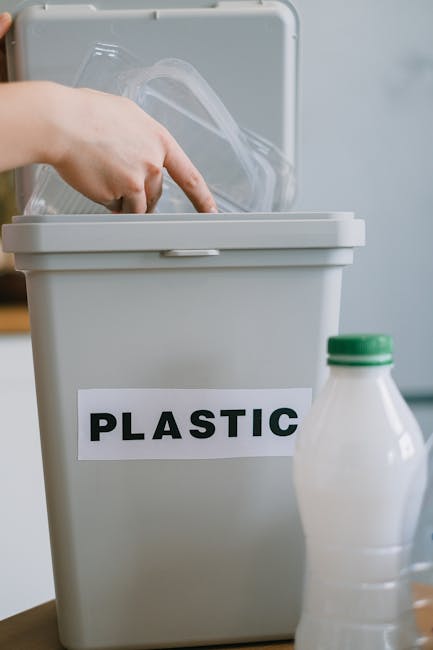
Waste disposal rules for West Kensington removals and donations
Moving out in West Kensington can feel like a tidy-up that suddenly got out of hand. One minute you are sorting a single wardrobe, the next you are staring at broken hangers, old paint tins, a kettle that has definitely seen better days, and three bags marked "donate" that somehow keep growing. The good news is that waste disposal rules for West Kensington removals and donations are manageable once you know what belongs where, what must not be left on the kerb, and how to keep usable items in circulation instead of sending everything to landfill.
This guide walks through the practical side of disposal, reuse, and donation during a move. It is written for real-life house moves, flat clearances, student moves, and office relocations where time is tight and nobody wants a last-minute waste headache. You will find simple steps, common mistakes, compliance points, and a few local-friendly tips to make the process less stressful. If you are also arranging a broader move, services such as removals, flat removals, or home moves can help you coordinate the move itself while you handle disposal properly.
Table of Contents
- Why waste disposal rules matter
- How waste disposal works during removals and donations
- Key benefits and practical advantages
- Who this is for and when it makes sense
- Step-by-step guidance
- Expert tips for better results
- Common mistakes to avoid
- Tools, resources and recommendations
- Law, compliance, standards, or best practice
- Options, methods, or comparison table
- Case study or real-world example
- Practical checklist
- Conclusion
- Frequently asked questions
Why Waste disposal rules for West Kensington removals and donations Matters
Waste rules are not just a box-ticking exercise. They affect how quickly you can move, how much you spend, and whether your items are handled responsibly. In a busy area like West Kensington, where access can be awkward and storage space limited, poor disposal planning quickly turns into clutter in hallways, overfilled bins, and missed collection slots. Nobody wants that on moving day. Not on a rainy Tuesday either.
It also matters because not everything can go out with ordinary household rubbish. Some items need special handling, some can be donated, and some should be recycled separately. A chipped mug is one thing; a mattress, large electrical item, or leftover paint is another. Once you understand the categories, decisions get much easier.
There is also a trust angle. If you are donating furniture or passing on household items, they should be clean, safe, and in a condition someone else can realistically use. If you are disposing of waste, it should be sorted properly and not abandoned outside a property with no plan. That distinction sounds obvious, but in the rush of a move it is very easy to blur the lines.
Practical takeaway: plan waste and donations before the last packing day, not after. That one change can save time, protect you from avoidable mistakes, and make the whole move feel calmer.
If you are moving a flat, especially a smaller one with no loft or shed to hide things in, services such as packing and boxes or packing and unpacking services can help you keep donations, recycling, and disposal separate from the start.
How Waste disposal rules for West Kensington removals and donations Works
At a practical level, the process usually breaks into three streams: keep, donate, and dispose. That sounds simple, but the detail is where people either save money or make a mess of it. A good move starts with a room-by-room sort, because once boxes are sealed, it becomes harder to tell what is destined for a charity bag and what needs specialist disposal.
1. Keep
These are the items moving with you. Keep them clean, packed, and clearly labelled. It helps to protect fragile things early, rather than discovering broken glassware on the stairs at the worst possible time.
2. Donate
Donation items should still be useful. Think working kitchenware, decent furniture, books in readable condition, clothes without heavy damage, and small appliances that are safe to use. If something is stained, missing parts, or unpleasant to handle, charity shops and donation partners may refuse it. Truth be told, that is fair enough.
3. Dispose
This is for broken, damaged, unsafe, or non-reusable items. It can include some bulky waste, but the key is to separate what can be recycled from what must be treated as general waste or specialist waste. For example, electrical items and some materials need different handling from normal black-bag waste.
During removals, waste often appears in odd places: under beds, in cupboards, in a lock-up box, or tucked behind the washing machine. That is why a final sweep matters. You would be surprised how often people find half a box of cables at 8 p.m. the night before moving out. Human beings, honestly.
For larger or mixed loads, it can be useful to combine a vehicle-based move with a separate disposal run. Options like man with van or removal van support that kind of practical, flexible move when you need everything handled in one day.
Key Benefits and Practical Advantages
Following the right disposal approach is not just about avoiding problems. It has several real-world benefits that show up immediately during a move.
- Less clutter on moving day: fewer boxes, fewer loose items, fewer last-minute decisions.
- Lower disposal stress: you know what is being donated, recycled, or removed.
- Better use of space: useful items leave the property faster, which is especially helpful in compact West Kensington homes.
- More responsible outcomes: usable goods can help someone else, rather than being thrown away.
- Reduced risk of refusal: proper sorting lowers the chance that a charity or waste handler turns items away.
- Smoother coordination: your removals team can work more efficiently when the waste stream is already organised.
There is also a financial upside, even if it is not dramatic. When items are sorted well, you avoid paying to transport things twice or paying for the wrong kind of disposal. That part is easy to overlook. The cost of being disorganised tends to show up in the small stuff: extra time, extra trips, extra frustration.
If you are comparing move support, it may help to look at pricing and quotes so you can judge how a disposal-heavy move might be structured. For bigger properties or offices, office removals and commercial moves need even tighter sorting because paper, electronics, fixtures, and surplus stock may all need different handling.
Who This Is For and When It Makes Sense
This topic matters to more people than you might think. It is not only for families doing a full house clear-out. It is relevant if you are moving a studio flat, changing rental properties, downsizing, helping a relative, or clearing out an office that has accumulated years of "we might need that later" items. Let's face it, later often never comes.
It makes especially good sense when:
- you have bulky items that are too good to dump but too awkward to move
- you are moving on a tight schedule and cannot leave waste decisions until the final day
- you want to donate furniture, clothes, books, or household goods responsibly
- you are clearing a property before sale, end of tenancy, or handover
- you are moving from a flat with limited storage and no easy lift access
- you are dealing with office surplus, old stock, packaging waste, or redundant equipment
Students and short-term renters often need this guidance too. Small flats can hide a lot of waste in plain sight, and deadlines are usually unforgiving. If that sounds familiar, a lighter move option such as student removals or a simple man and van arrangement can make the process easier to manage.
In practical terms, if you are asking "Should I donate this or dispose of it?" then this guide is for you.
Step-by-Step Guidance
The cleanest way to handle waste disposal rules for West Kensington removals and donations is to work in stages. Do not try to decide everything in one frantic burst. That usually ends with three bags of mixed stuff and no clue what any of it is.
- Start with one room at a time. Bedrooms, kitchen, living room, storage cupboard. Keep the sort small and controlled.
- Split every item into keep, donate, recycle, or dispose. If you are unsure, put it in a temporary review pile rather than guessing.
- Check condition carefully. Donation items should be clean and usable. If they smell damp, have missing parts, or are visibly damaged, they may be rejected.
- Separate electricals and hazardous items early. Anything with plugs, batteries, fluids, or unknown residues deserves extra caution.
- Bundle recyclable materials together. Cardboard, some plastics, and metal items are easier to manage when grouped.
- Label donation bags and boxes clearly. Write the destination or category on the outside. It sounds simple. It works.
- Book waste and removal support in the right order. If waste leaves first, packing becomes easier. If removals happen first, you may find yourself shifting unwanted items twice.
- Do a final sweep of cupboards, loft spaces, and behind appliances. The small leftovers are the usual culprits.
If you have heavy furniture to move before it is donated or recycled, furniture removals or furniture pick up can be a sensible intermediate step. That gives you flexibility without overcomplicating the day.
A tiny but useful trick: keep one bag for "questionable items" and make the final decision once the rest of the room is sorted. It reduces decision fatigue. Your brain will thank you, probably not loudly, but still.
Expert Tips for Better Results
Here are the habits that make a noticeable difference in real removals, not just on paper.
- Sort earlier than feels necessary. The earlier you start, the more donation-worthy items you will spot.
- Keep a donation box in each main room. That way, useful items do not get mixed back into general clutter.
- Use clean, dry containers for donations. A charity or recipient is far more likely to accept items if they are presented properly.
- Photograph items before passing them on if they are valuable. Not for vanity. Just for a record.
- Match the disposal method to the item type. For example, bulky furniture, electricals, and mixed household waste should not all be treated the same way.
- Leave a buffer for awkward items. Mattresses, large mirrors, old desks, and broken shelving always take longer than expected.
For especially bulky or delicate items, a broader moving setup such as furniture removals, piano removals, or even a larger vehicle option like moving truck may be more practical than trying to improvise with a few trips in the car. That is one of those decisions that feels obvious after the fact.
Also, keep an eye on packaging. Good moving boxes can reduce damage and make donations cleaner. If you are still gathering supplies, packing and boxes is worth a look as part of the wider move plan.
Common Mistakes to Avoid
Most disposal problems come from rushing, not from bad intentions. The usual errors are predictable, which is actually good news because predictable mistakes are easier to stop.
- Mixing donations with waste. Once mixed, usable goods often end up discarded.
- Leaving disposal decisions until moving day. That creates panic and leads to poor choices.
- Assuming everything can go in household bins. It cannot. Some items need separate handling.
- Offering damaged items as donations. This wastes everyone's time and may create safeguarding issues.
- Ignoring bulky item logistics. A sofa is not just another box. It needs a plan.
- Forgetting about batteries, liquids, or electrical cables. These often lurk in drawers and cupboards.
- Not checking access. Narrow stairs, parking limits, and shared entrances can affect the collection method.
One little thing people miss: packaging waste can become a project on its own. Cardboard, bubble wrap, tape, and polystyrene add up fast. If you are not careful, the pile of empty packing materials becomes its own moving problem. Slightly ridiculous, but very real.
If you want to reduce waste from the start, consider services that keep the move organised, such as removal services or removal companies, especially when you have multiple categories of items to manage.
Tools, Resources and Recommendations
You do not need a complicated toolkit to do this well. In most cases, a few simple things make the process far smoother.
- Strong labels or marker pens: for marking donation, recycle, dispose, and keep piles.
- Reusable bags and sturdy boxes: useful for separating clean donations from general waste.
- Basic tape and scissors: to secure boxes and keep contents tidy.
- Cleaning wipes or cloths: handy for wiping donation items so they look presentable.
- Notebook or phone notes: to track what is going where. A simple list helps more than people expect.
On the service side, you may want to pair disposal planning with secure storage if you are not moving everything immediately. That is particularly helpful when a donated item is leaving later, or when you are staging the move over several days. In those cases, storage can be a practical bridge.
For moves involving office contents or specialist equipment, do not forget the loading side of the operation. A company or team offering removal truck hire may be the better fit if waste and donations are part of a larger, heavier job.
Expert summary: the best results usually come from simple labels, early sorting, and a clear separation between "good enough to donate" and "needs proper disposal". It is not glamorous. It just works.
Law, Compliance, Standards, or Best Practice
When waste disposal touches removals and donations, common-sense handling matters, but so does compliance. You do not need to become a legal expert to do the right thing, yet it helps to understand the basic expectations in the UK.
As a general rule, waste should be transferred responsibly and not dumped, fly-tipped, or left somewhere unauthorised. That includes mixed rubbish from a move, bulky waste, and items that require special care. If a service is collecting waste on your behalf, it is sensible to ask how they handle sorting, recycling, and disposal. Good operators should be able to explain this plainly.
Best practice also means checking the condition of donated items. Donations should be fit for reuse, clean, and safe. For furniture, that usually means stable, complete, and not badly damaged. For electrical items, safety matters even more. If something smells burnt, has exposed wiring, or is missing parts, it should not be passed on casually.
There is a sustainability angle too. Responsible removals often separate recyclable materials from residual waste, which is better for the environment and usually tidier overall. If that matters to you, the page on recycling and sustainability gives a useful sense of the approach a local operator may take.
For peace of mind, you may also want to review practical policies around insurance and safety and the company's health and safety policy. Those pages are not about waste rules directly, but they do show how seriously a service handles risk, handling, and care during a move.
Options, Methods, or Comparison Table
There is no single right way to manage removals waste and donations. The best option depends on time, volume, item type, and how much sorting you want to do yourself.
| Method | Best for | Pros | Watch-outs |
|---|---|---|---|
| Self-sorting and donation drop-off | Small moves, light loads, good reusable items | Low cost, direct control, simple for a few boxes | Time-consuming; you need transport and lifting capacity |
| Mixed move with separate waste run | Typical house or flat removals | Balances convenience and control; keeps donations separate | Needs planning so waste does not get bundled with move items |
| Professional removal support | Large homes, flats with stairs, or time-sensitive moves | Less physical strain, more efficient loading, better coordination | Requires clear instruction about what stays, what goes, and what is donated |
| Storage-first approach | Staged moves, decluttering, uncertain timings | Buys time to decide what to keep or donate | Can delay final sorting if you do not set a deadline |
For many people, the second option is the sweet spot. It feels organised without becoming a mini logistics company. If you are in a smaller property, a man with a van setup often fits that sort of move neatly.
Case Study or Real-World Example
Here is a realistic West Kensington-style scenario. A couple moving from a two-bedroom flat had one sofa, a dining table, assorted books, boxes of kitchen items, and a storage cupboard packed with old cables, a broken desk lamp, three spare chairs, and enough packaging to fill a small car boot. The original plan was simply to move everything and sort it later. That plan, to be fair, had the usual charm of all rushed plans: it looked easier before anyone touched a box.
Instead, they spent one evening sorting into four piles. The sofa and two chairs were kept. The best books, a working kettle, and a decent side table were set aside for donation. Cardboard and clean packing materials were flattened for recycling. The broken lamp, tangled cables, and damaged bits of furniture were marked for disposal.
On moving day, the process was much calmer. The removal load was lighter, the useful items were clearly grouped, and nothing had to be unpacked just to figure out what it was. There was still a bit of chaos - because moving always has a bit of chaos - but it was the manageable kind. Not the dreaded "where did the toaster go?" kind.
The main lesson was simple: the earlier the sort happens, the better the move feels. Donations leave the house with dignity. Waste leaves without drama. Everyone wins, even if nobody says it out loud.
Practical Checklist
Use this checklist before moving day. It is deliberately practical, not precious.
- Sort each room into keep, donate, recycle, and dispose
- Check donation items are clean, complete, and safe to use
- Separate electricals, batteries, liquids, and other sensitive items
- Flatten cardboard and collect reusable packing materials
- Label donation boxes clearly
- Set aside bulky furniture for a planned removal method
- Review whether storage is needed for items you are unsure about
- Do a final sweep of cupboards, drawers, and behind appliances
- Confirm access details for loading and collection
- Keep important paperwork and valuables separate from disposal piles
If your move involves more than just a household clear-out, broader support like house removals or house removalists can make the logistics easier while you stay focused on what should be reused, donated, or discarded.
Get a free quote today and see how much you can save.
Conclusion
Waste disposal rules for West Kensington removals and donations are really about good decisions made early. Once you separate reusable items from genuine waste, the rest of the move becomes much simpler. You reduce clutter, avoid awkward refusals, and give useful things a better chance of being reused. That is better for you, better for the next person, and frankly better for the day as a whole.
Whether you are clearing a flat, moving a family home, handling student contents, or coordinating an office move, the principle is the same: sort early, label clearly, and use the right route for each item. Not every old chair deserves the bin, and not every box should be left until "later". Later has a habit of disappearing.
If you keep things organised, the move feels lighter. And that is usually the part people remember most.
Frequently Asked Questions
What items can usually be donated during a move?
Clean, usable items are the best candidates for donation. This often includes furniture in good condition, books, kitchenware, clothing, and small household items that are complete and safe to use. If something is damaged, heavily stained, or missing parts, it is usually better treated as waste.
Can I put all unwanted items out for collection on moving day?
Not usually. Some items can be collected as part of a removal plan, but others need separate handling, especially bulky waste, electricals, or anything potentially hazardous. It is better to sort items first so nothing ends up in the wrong pile.
How do I decide whether something should be donated or disposed of?
Ask three quick questions: is it clean, is it complete, and is it safe to use? If the answer is yes to all three, donation may be possible. If not, disposal or recycling is often the better option.
What should I do with old electrical items?
Electrical items need careful handling because of cables, plugs, batteries, and safety concerns. Check them separately and do not mix them with general rubbish. If they are not working or look unsafe, they should not be passed on as donations.
Are bulky items like sofas and wardrobes harder to handle?
Yes, mainly because they need planning, lifting, and access checks. They are also the items most likely to be awkward in stairwells and hallways. A removal plan with the right vehicle and enough manpower makes a big difference.
What is the best way to reduce waste during removals?
Start sorting early, keep donations separate, reuse packing materials where possible, and only throw away items that are genuinely no longer usable. The earlier you begin, the less waste ends up mixed together.
Do I need storage if I am not sure what to keep?
Sometimes, yes. Storage can be useful if you are undecided about certain items, or if your move is happening in stages. It gives you time to make a calmer decision instead of rushing on the day.
What if a charity refuses my donation?
That can happen if the item is damaged, dirty, incomplete, or not suitable for reuse. It is annoying, but usually the issue is condition rather than the idea of donation itself. A final quality check before collection helps avoid that problem.
How can I keep donation items clean during a move?
Pack them in dry boxes or bags, keep them away from rubbish, and label them clearly. If possible, wipe them down before boxing. A clean donation is far more likely to be accepted and reused.
Is it worth arranging removals and disposal together?
Often, yes. It can save time and reduce confusion because the same day or same project covers both the move and the unwanted items. Just make sure the sorting is clear so nothing valuable gets thrown out by accident.
What should I check before a disposal or donation collection?
Confirm access, parking, item condition, and whether the items are sorted into clear categories. A few minutes of preparation can prevent a lot of back-and-forth on the day.
Can office moves involve the same waste rules as home removals?
The principles are similar, but office moves often involve more equipment, packaging, and confidential or specialist items. Surplus furniture, old stock, and electronics should be reviewed carefully and separated before collection.
Where does sustainability fit into all this?
Sustainability comes from reusing what still has value and recycling what can be recycled rather than treating everything as rubbish. That is why a proper sort matters. It keeps usable items in circulation and reduces unnecessary disposal.