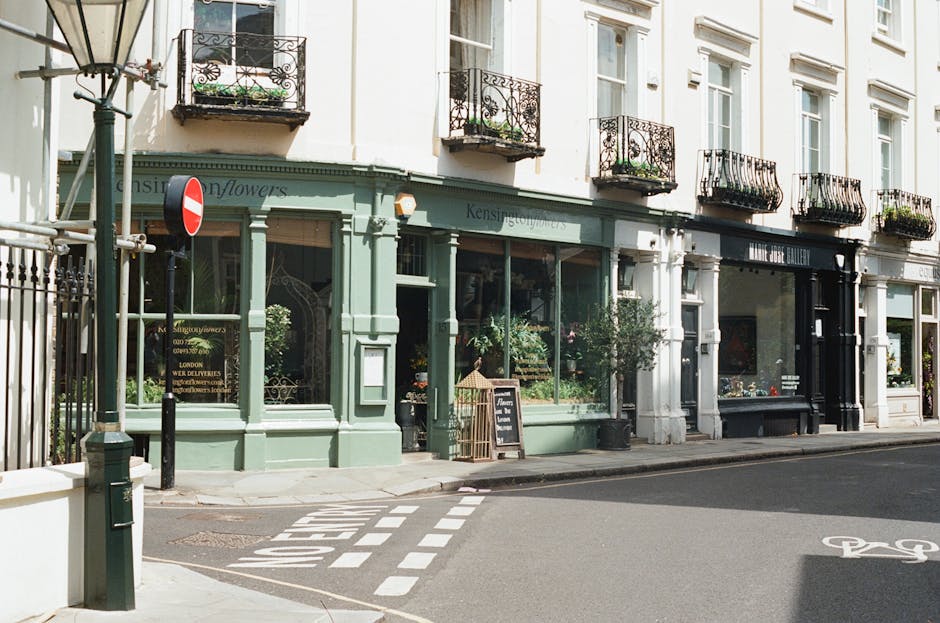
Olympia insider tips for West Kensington removals
If you are planning a move around Olympia and West Kensington, the smartest advantage is not brute force. It is local know-how. The roads, the access points, the timing, the parking, the staircase realities in older buildings - all of it can change a move from smooth to stressful very quickly. These Olympia insider tips for West Kensington removals are designed to help you think like a seasoned mover: plan earlier, pack smarter, and avoid the little mistakes that become big ones on moving day.
Whether you are leaving a compact flat near the station, moving family furniture across the neighbourhood, or coordinating an office move near the exhibition and event corridors, the practical details matter. And to be fair, they matter more than people expect. In a busy London area, a half-hour delay can ripple through the entire day.
This guide gives you a clear local framework: why the area poses specific moving challenges, how a move actually works here, what to do before the van arrives, and how to choose the right support for your situation. You will also find a checklist, a comparison table, a real-world example, and answers to the questions people ask most often.
Table of Contents
- Why Olympia insider tips for West Kensington removals Matters
- How Olympia insider tips for West Kensington removals Works
- Key Benefits and Practical Advantages
- Who This Is For and When It Makes Sense
- Step-by-Step Guidance
- Expert Tips for Better Results
- Common Mistakes to Avoid
- Tools, Resources and Recommendations
- Law, Compliance, Standards, or Best Practice
- Options, Methods, or Comparison Table
- Case Study or Real-World Example
- Practical Checklist
- Conclusion
- Frequently Asked Questions
Why Olympia insider tips for West Kensington removals Matters
West Kensington has its own moving personality. It is not a place where you can assume broad roads, easy loading, or plenty of spare pavement. Some properties are modern and manageable; others have narrow stairwells, tight corners, shared entrances, and parking that disappears fast. If you have ever stood on a street at 8 a.m. wondering where the van is meant to stop, you will know exactly what I mean.
The Olympia side of the picture adds another layer. Event traffic, visitors, and busier stretches at certain times of day can make simple loading plans less simple. A short journey on paper may turn into an awkward one in practice if you do not account for timing and access.
That is why local insight pays off. Good planning reduces stress, protects belongings, and keeps your move on schedule. It also helps you choose the right service level, which matters a lot if you are comparing removal services in West Kensington or trying to decide whether a smaller vehicle or a full house move setup is the better fit.
There is another reason this matters: moving costs. A poorly planned move often ends up costing more because of extra time, extra labour, or last-minute changes. Not always, but often enough to be worth addressing early. In a neighbourhood like this, preparation is not a nice-to-have. It is the thing that keeps the day moving.
How Olympia insider tips for West Kensington removals Works
At its core, a successful local removal follows a simple chain: assess the property, plan the route, prepare the items, confirm access, and move in a sensible order. The details are where the difference lies.
First, the property type shapes everything. A one-bedroom flat on an upper floor needs a different approach from a family home or a small office. Lift access, corridor width, and stair turns all affect how long loading will take. If you are moving fragile or oversized pieces, services such as furniture removals in West Kensington can be especially useful because the handling plan can be built around those items from the start.
Second, timing needs to fit the area, not just your calendar. Early starts are often better for busy streets and shared buildings. Midday can work in some cases, but only if access is guaranteed. Evening moves can be useful too, though they depend on building rules and neighbour consideration. Truth be told, the "best time" is the one that matches your property and your route.
Third, packing affects the whole process more than many people realise. Boxes that are overfilled, bags that split, or loose items still sitting around at the last minute all slow things down. If you want the move to feel controlled rather than chaotic, look at proper packing and boxes support before the day arrives.
Finally, the moving method should match the scale of the job. A man and van setup might be ideal for smaller flats, student moves, or a handful of large pieces. Bigger households or office relocations may need a more structured team approach. If you are unsure, comparing man and van options with fuller removals in West Kensington is a sensible starting point.
Key Benefits and Practical Advantages
When you use local knowledge well, the benefits are both obvious and subtle. The obvious ones are less stress and better timing. The subtle ones matter too: fewer damaged items, less back-and-forth, and a much calmer move overall.
- Better access planning: You can work around tight streets, parking pressure, and building restrictions before they become a problem.
- Cleaner loading sequence: Heavy, fragile, and awkward items can be moved in the right order, which saves time and protects floors and walls.
- More accurate budgeting: When you know what the job really involves, quotes are easier to compare properly.
- Less disruption: This matters especially for residents sharing entrances or for businesses trying to avoid long downtime.
- Lower risk of last-minute panic: A calm move nearly always comes from good preparation. Not luck.
For some readers, the biggest practical advantage is flexibility. If plans change suddenly, it helps to know whether a same-day removals service in West Kensington is available, or whether storage is a better short-term bridge. That kind of decision is far easier when you are not starting from zero.
You also get a better sense of control. And moving house, let's face it, can feel like control is in short supply by lunchtime.
Who This Is For and When It Makes Sense
This approach is useful for anyone moving within or around the Olympia and West Kensington area, but it is especially helpful if your move has one of the following features:
- You live in a flat with stairs, a lift, or shared access points.
- You have bulky furniture, delicate pieces, or a piano to move.
- You are relocating a student room or compact studio and need the job done quickly.
- You are moving an office and need to reduce downtime.
- You are on a tight timescale and need an efficient local crew.
- You are comparing quotes and want to avoid hidden costs or vague promises.
If your move is especially delicate, such as a larger family property or a property with multiple heavy items, it may make sense to look at house removals in West Kensington or even more specialised support like piano removals.
Students and renters often need a lighter, faster service. In those cases, student removals in West Kensington can be a neat fit, especially when the move is timed around term dates, tenancies, or deadlines set by landlords and building managers.
There is no one-size-fits-all answer here. That is sort of the whole point.
Step-by-Step Guidance
Here is a practical way to organise a local move without turning the week into a scramble.
- Walk the property first. Check stairs, lifts, door widths, hall corners, and any awkward turns. If you can, look at the route from the front door to the van parking spot too.
- List the items by size and fragility. Large wardrobes, mirrors, glass tables, plants, and electronics often need special care.
- Confirm access details. This includes parking, building entry codes, loading restrictions, and any time windows set by a landlord or managing agent.
- Decide what stays, what goes, and what can be stored. Short-term holding can reduce pressure if your completion date and move-in date do not line up neatly. A local storage option in West Kensington can be a very practical stopgap.
- Pack room by room. Keep labels clear and simple. "Kitchen - pans" is better than "miscellaneous things I will sort out later."
- Protect high-value items early. Use proper wrapping, covers, and boxes for breakables.
- Book the right type of transport. Smaller moves may suit a removal van in West Kensington, while fuller moves may need a broader service setup.
- Leave a clean final hour. Keep essentials together, clear pathways, and make sure the kettle, charger, and documents are easy to reach. Small thing, big relief.
A useful little trick: pack a "first night" box. Put in toiletries, chargers, tea, a towel, basic snacks, pet items if needed, and the one screwdriver you will definitely want later. It saves a ridiculous amount of wandering around at 10 p.m. wondering where anything is.
Expert Tips for Better Results
The best local moves usually come down to decisions made before the van arrives. Here are the details experienced movers tend to watch closely.
Choose timing with the street in mind
In a busy part of London, ten minutes can make a difference. If your building sits on a road that gets busier later in the morning, an early slot may be easier. If nearby events or local traffic are likely to flare up, build in a buffer. You do not need to predict every delay, just respect that they happen.
Do not under-pack fragile or awkward items
One common issue is trying to make do with a random assortment of reused boxes and old carrier bags. That works until it does not. Breakables, books, and kitchen items deserve sturdier packing. If you want to reduce the chance of damage, professional packing support can be worth it.
Think about the exit, not only the destination
People often focus on where the furniture is going, but the more awkward part is often getting it out of the old place. A sofa may fit the new room fine and still be a nightmare on the staircase. Measure the path, not just the room.
Keep a realistic load order
Heavy items go in first, but not randomly. Good loading balances weight and protects delicate pieces from being crushed. This is one reason local movers who understand the area can be useful. They are not just carrying boxes; they are making judgement calls all the way through.
Use the right service for the job
There is a difference between a simple two-room move and a larger property with multiple bulky items. Sometimes a small, flexible solution is best. Other times you need a more complete service. If you are unsure, a broad overview like the services overview can help you narrow down the options without guessing.
And if your move involves awkward or expensive pieces, ask about insurance and handling standards. Better to ask the plain question than to assume. That's just sensible.
Common Mistakes to Avoid
Most moving problems are not dramatic. They are small, ordinary oversights that stack up.
- Leaving parking arrangements until the last minute. In West Kensington, this can become a genuine headache.
- Underestimating how long packing takes. It always takes longer than the optimistic version in your head.
- Mixing essentials with everything else. That makes the first night feel chaotic for no good reason.
- Choosing a vehicle that is too small. Multiple trips are tiring and can cost more time than expected.
- Not checking if stair access is awkward. A sofa that seems fine in the living room may not be fine on a bendy staircase.
- Ignoring insurance and safety details. Even careful teams work with risk, and it is sensible to know what is covered.
A less obvious mistake is not thinking about what happens after the move. If you have old furniture, packaging waste, or items you no longer want, you may need a disposal or recycling plan. For that, recycling and sustainability guidance can be helpful, especially if you want to keep the move tidy and responsible.
Another small but common one: assuming all movers operate the same way. They do not. Some are better suited to student moves, some to family homes, and some to commercial jobs. Choosing the right fit matters more than choosing the flashiest pitch.
Tools, Resources and Recommendations
You do not need a mountain of equipment to move well. You do need a few practical basics and a decent plan.
- Strong boxes: especially for books, kitchenware, and mixed household items.
- Packing tape and labels: clear labels save time when unloading.
- Protective wraps or blankets: useful for furniture, mirrors, and electronics.
- Tape measure: worth its weight in gold, honestly, when checking furniture fit.
- Inventory list: simple enough to update, detailed enough to be useful.
- Phone photos: helpful for cable setups, drawer contents, and fragile item condition before transport.
If you are comparing providers, it can help to look at local removal companies in West Kensington alongside more flexible services such as man with van support or a simple man with a van arrangement. The right choice depends on volume, access, and whether you need labour as well as transport.
If your schedule is tight, pricing transparency matters too. A clear quote process is often more useful than a vague low number. You can review pricing and quotes information before booking so you understand what is included and what might change the final cost.
For broader company background and service trust signals, it can also be worth reviewing the company's background and its insurance and safety approach. Those pages are not flashy, but they tell you a lot.
Law, Compliance, Standards, or Best Practice
Removals in the UK are not usually complex from a legal point of view for the customer, but there are still standards and responsibilities worth taking seriously. You want to know that your mover handles items safely, respects property access rules, and communicates clearly about limits and responsibilities.
Best practice usually includes the following:
- Safe lifting and carrying: trained handling techniques reduce the chance of injury and damage.
- Clear terms: you should understand what the service includes, how changes are handled, and what happens if access is different from expected.
- Insurance awareness: you should know what protection is in place for goods in transit and for accidental issues.
- Building respect: shared spaces, lifts, and entrances should be used carefully, especially in residential blocks.
- Data and payment security: if you are booking online, payment processes should be transparent and secure. The payment and security information is worth checking before you commit.
If you are a business moving offices, the expectation is slightly different. There is more emphasis on downtime, access permissions, and moving around staff schedules. In that case, office removals in West Kensington is the more relevant route, because it is built around keeping disruption low and the move organised.
One more thing. Reading the terms and conditions is not glamorous, but it can prevent later confusion. Nobody enjoys paperwork, fair enough, yet it is often the quickest way to avoid misunderstandings.
Options, Methods, or Comparison Table
Different moves need different approaches. Here is a simple comparison to help you think clearly.
| Move type | Best fit | Typical advantage | Possible drawback |
|---|---|---|---|
| Man and van | Small flats, a few bulky items, quick local jobs | Flexible, efficient, often ideal for short-distance moves | May be less suitable for large household loads |
| Full house removals | Family homes, larger inventories, more complex loading | More structured, better for bigger volumes | Usually more planning needed |
| Flat removals | Apartment moves with stair or lift access considerations | Focused on the realities of shared buildings | Can still be tricky if access is tight |
| Same-day removals | Urgent changes, missed deadlines, unexpected moves | Fast response when time is short | Less room for preparation |
| Storage plus removals | Staggered move dates or temporary overflow | Helpful when dates do not align neatly | Extra step to manage |
If you are still deciding, start with volume and access. Those two factors answer most of the question. Then consider timing, budget, and whether you need help with packing as well. Simple enough, but easy to overlook when you are already juggling keys, paperwork, and one very annoying lamp.
Case Study or Real-World Example
Imagine a renter moving from a second-floor flat near Olympia into another West Kensington property a few streets away. On paper, it looks like a quick job. In reality, there is a narrow staircase, a weekend event nearby, and a sofa that barely makes the turn from the hallway into the front room.
The smart version of this move starts two days earlier. Boxes are labelled by room, the glassware is wrapped properly, and the sofa dimensions are checked against both stair corners and doorway widths. The mover books an early slot to avoid busier traffic later in the morning, and the van can park as close as possible to the entrance.
On the day, the team moves the largest items first, protects the floor, and keeps the essential box separate so it is easy to find at the other end. The result is not magic. It is just a well-prepared move that avoids all the usual friction.
Now compare that with the same move handled casually: loose items in random bags, no parking plan, no measurements, and a late start. You can probably guess how that ends. More delay, more stress, and a lot more "I thought it would be fine."
That is why these local tips matter. They are not theory. They are the difference between a move that feels manageable and one that eats the whole day.
Practical Checklist
Use this quick checklist before moving day. It is simple, but it works.
- Confirm your move date, arrival window, and access arrangements.
- Check parking, loading, and any building restrictions.
- Measure large furniture and awkward access points.
- Sort items into keep, donate, store, and discard.
- Pack fragile items with proper protection.
- Label boxes clearly by room and priority.
- Prepare a first-night essentials box.
- Take photos of valuable or fragile items before the move.
- Review insurance, terms, and payment details in advance.
- Keep keys, documents, chargers, and medication separate and easy to reach.
Expert summary: The best West Kensington move is usually the one that anticipates access problems before the van arrives. Measure, label, confirm, and keep the plan simple. That one habit saves more time than any clever packing trick.
Get a free quote today and see how much you can save.
Conclusion
Olympia insider tips for West Kensington removals are really about one idea: local awareness makes moving easier. When you understand the streets, the access quirks, the timing pressures, and the right service level for your load, the whole process becomes more predictable. Not perfect, because moves rarely are, but definitely calmer.
Start with the practical basics. Measure what matters. Pack with purpose. Choose the right support. Check the details that most people skip. And if the move feels bigger than you first expected, that is normal. It happens all the time.
Use the local advantage, stay organised, and give yourself enough breathing room. A good move should leave you tired, yes - but not frazzled. And that is a very different feeling.
Frequently Asked Questions
What makes Olympia and West Kensington removals different from a normal local move?
The area can involve tighter streets, busier access points, shared entrances, and less predictable parking. That means planning matters more than it might in a quieter suburb.
How early should I book a removals service in West Kensington?
As early as you can, especially if you need a preferred day, a specific time window, or help with bulky items. Short-notice bookings can work, but your options may be narrower.
Is a man and van service enough for a flat move?
Often, yes - if the move is fairly small, the access is manageable, and the furniture volume is limited. For larger loads or more complex access, a fuller removals service may be a better fit.
Do I need packing help as well as transport?
If you have fragile items, limited time, or a lot of mixed household belongings, packing help can save a surprising amount of stress. It is especially useful if you want the day to run on schedule.
What should I do if my move date changes at the last minute?
Contact the removals provider as soon as possible and ask what options are available. In some cases, a same-day or rearranged slot may be possible, but that depends on availability.
How can I reduce the risk of damage during the move?
Use strong boxes, wrap fragile items properly, avoid overpacking, and measure awkward furniture before moving day. Good loading and careful handling also make a major difference.
Are storage services useful during a West Kensington move?
Yes, especially if your move-in and move-out dates do not line up neatly or you need to clear space temporarily. Storage can stop the whole process from becoming rushed.
What kind of removals service is best for office moves?
Office moves usually need a structured approach with attention to downtime, access, and equipment handling. A dedicated office removals service is usually more suitable than a general quick move.
How do I know if a quote is fair?
Look at what is included, what might change the price, and whether the provider has asked enough questions about access, item volume, and timing. A useful quote should feel specific, not vague.
Should I choose a small vehicle or a larger removals setup?
Choose based on the actual volume of items, not just the number of rooms. A small job can be efficient in a smaller vehicle, but larger households often benefit from a more complete setup.
Can removals teams help with furniture that is awkward or heavy?
Yes, provided the service is suitable for that kind of item. If you have especially heavy, delicate, or unusual furniture, ask in advance so the right equipment and handling plan can be used.
Where can I find more information before booking?
It is sensible to review service pages, pricing details, safety information, and company background before making a decision. If you are ready to take the next step, you can always contact the team here and ask the practical questions first.